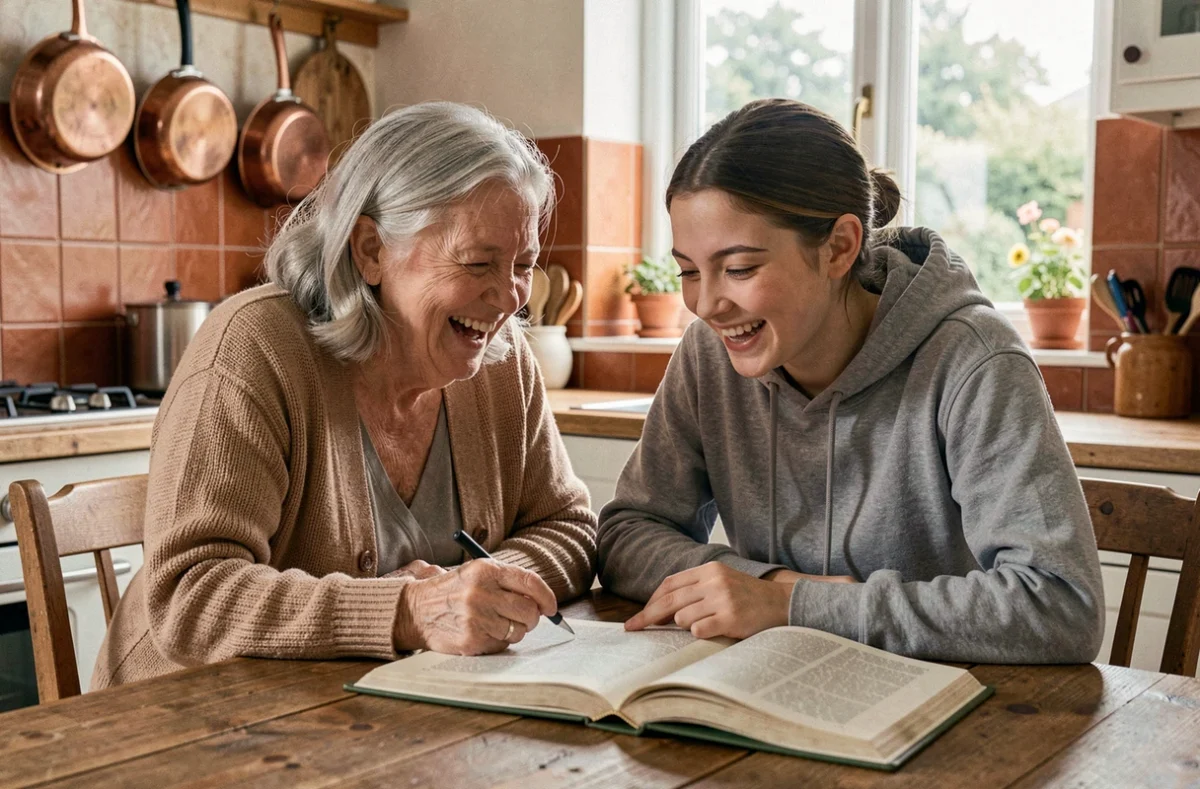
What measurable effects do intergenerational relationships have on health, social ties, and living conditions? Intergenerational interactions are not limited to occasional meetings between young people and seniors. They encompass frameworks regulated by law, forms of shared housing, and associative commitments whose impacts reach all age groups.
Solidarity intergenerational cohabitation: a legal framework to know
Most articles on intergenerational issues list activities without mentioning the legal framework that structures some of these relationships. The ELAN law of 2018 created a specific provision: solidarity intergenerational cohabitation. It allows a person aged 60 or older to rent or sublet part of their home to a person under 30.
The landlord of a senior tenant cannot oppose this subletting in this specific framework. A written contract specifies the duration, financial contribution, presence times, and rules for communal living. A one-month notice is sufficient to terminate the contract, which secures both parties.
This provision differs from simple cohabitation in several ways. The minor services provided by the young occupant (shopping, companionship, digital assistance) must not lead to a subordinate relationship. Imposed schedules, regular orders, or systematic control would shift the arrangement from mutual aid to disguised employment. Finding intergenerational advice on Dididou helps to better understand the forms of exchange that respect this balance.
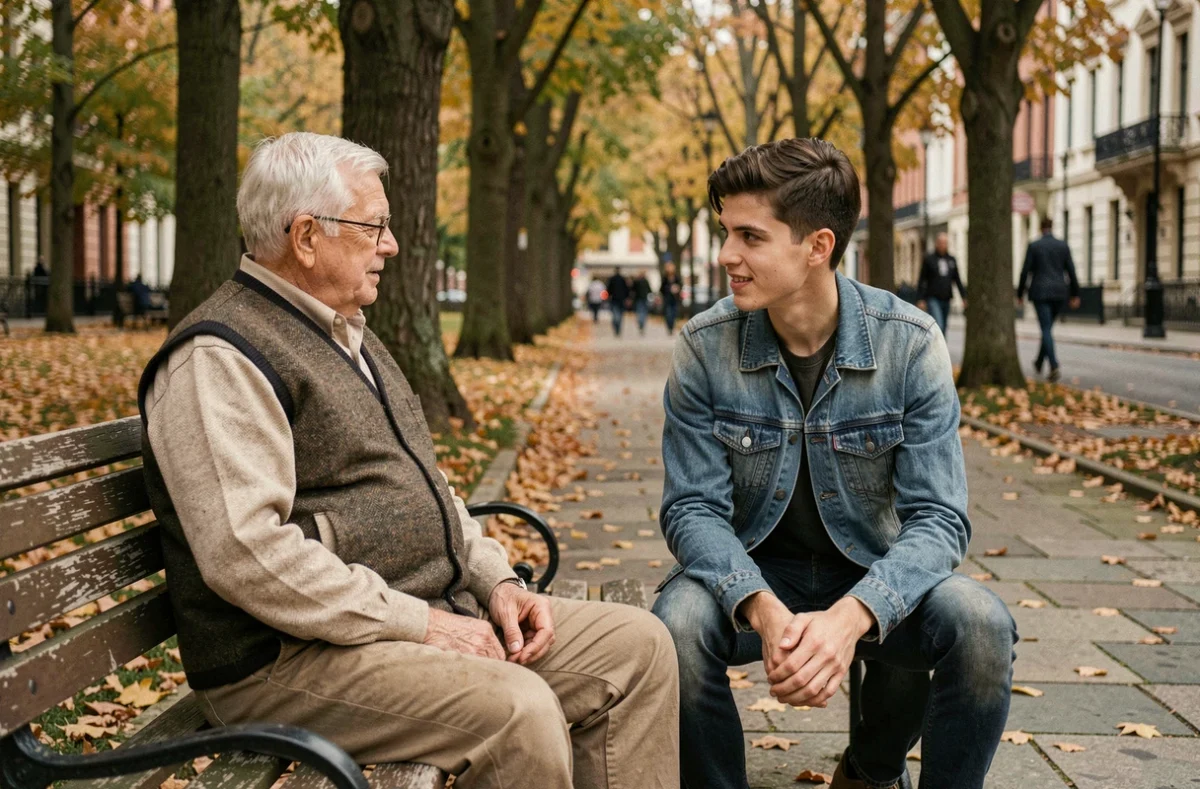
Benefits of intergenerational relationships: what each generation gains
The outcomes vary according to the age of the participants. Rather than presenting them randomly, a table allows for visualizing the documented benefits for each age group.
| Generation | Social Benefits | Cognitive or Educational Benefits |
|---|---|---|
| Children (3-12 years) | Development of empathy, familiarization with old age | Transmission of manual skills, concrete historical narratives |
| Young adults (18-30 years) | Access to affordable housing through solidarity cohabitation | Professional mentoring, experiential advice on career paths |
| Active adults (30-59 years) | Strengthening the local solidarity fabric, reducing the mental burden associated with the isolation of elderly parents | Updating digital skills passed on by younger individuals |
| Seniors (60 years and older) | Reduction of social isolation, facilitated home maintenance | Cognitive stimulation through regular exchanges, maintaining an active social role |
Seniors who maintain regular ties with other generations retain an active social role, which contributes to their autonomy. For children, proximity to older individuals reduces age-related prejudices, an effect that simple awareness in school settings struggles to replicate.
Intergenerational residences and shared housing: different realities
Not all so-called intergenerational residences fall under the same framework. Some are real estate programs that mix housing types (studios for students, T3 for families, adapted apartments for seniors) without imposing interactions among residents. Others organize common spaces and shared activities with associative support.
The label or charter associated with the program determines the actual level of exchange between generations. A building where residents of various ages coexist without animation or shared governance remains a classic condominium, not a socially defined intergenerational project.
The solidarity cohabitation regulated by the ELAN law constitutes a third, more flexible path. It does not require a dedicated residence: any housing can accommodate this type of arrangement, provided that the contract meets legal criteria.
Criteria for distinguishing a true intergenerational project
- A shared governance among residents of different generations, with collective decision-making times regarding common spaces and activities
- Support from an organization (association, committed social landlord) that facilitates connections and manages potential conflicts
- Common living spaces designed to encourage spontaneous encounters, not just entry halls or shared parking lots
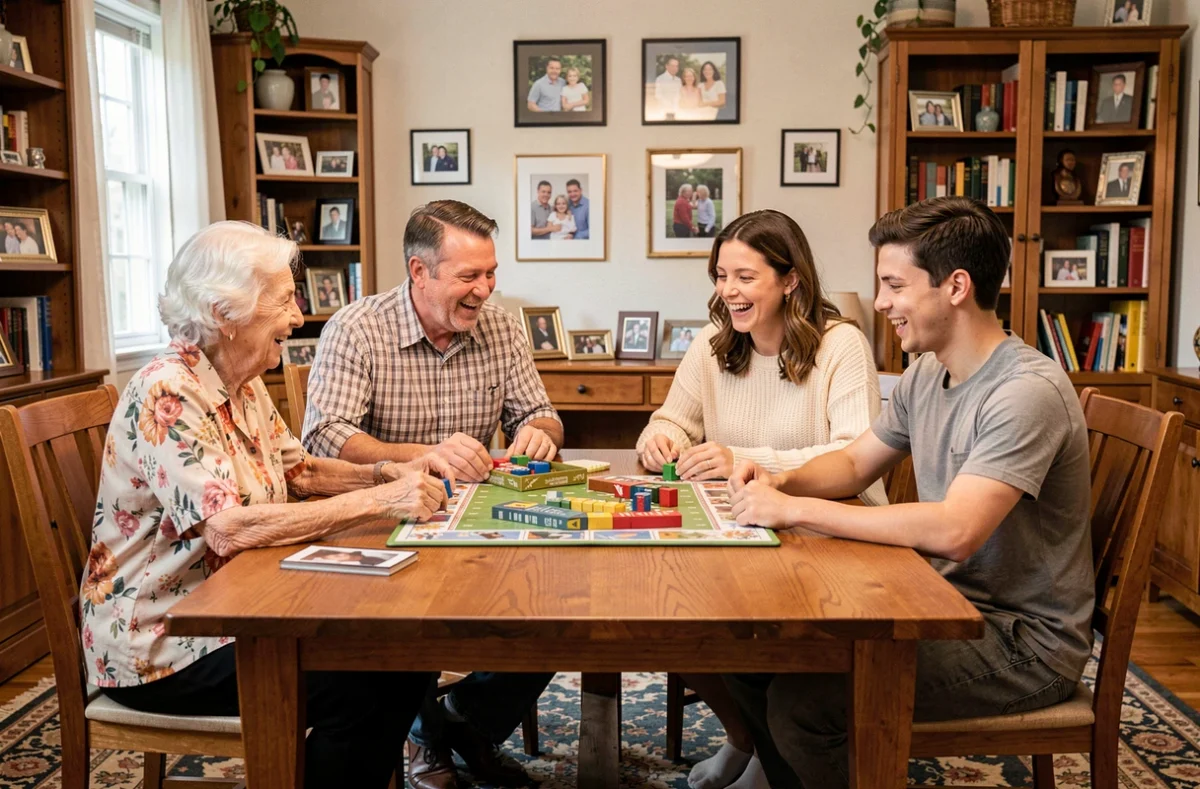
Intergenerational links in associative settings: three effective formats
Volunteering in associations remains the primary means of intergenerational encounters outside the family framework. Three formats produce observable results.
- Proximity mentoring pairs an adult or senior with a child or teenager over a long duration (at least several months), which goes beyond simple occasional activities and creates a bond of trust
- Workshops for transmitting skills (cooking, gardening, repair, sewing) place seniors in the role of knowledgeable individuals, a role that restores self-esteem in people often relegated to a status of beneficiaries
- Cross tutoring, where retirees help middle school students in French or mathematics while young people train seniors in digital tools, illustrates the concrete reciprocity of intergenerational ties
These formats share a common point: they embed the relationship in the long term. A one-time meeting between a fifth-grade class and residents of a nursing home creates a pleasant moment, but not a bond. The regularity of exchanges remains the determining factor.
Intergenerational solidarity: what formalization changes
The majority of French people consider intergenerational ties as a pillar of social cohesion. This consensus masks a gap between intention and practice. Without minimal formalization, commitments remain fragile and depend on individual goodwill.
A written contract within the framework of solidarity cohabitation, a functioning charter in a shared residence, or an associative commitment with a defined schedule transforms a good intention into a lasting relationship. Formalization does not rigidify the bond: it protects it from misunderstandings that, in daily life, ultimately erode it.
Legal provisions like those of the ELAN law show that solidarity between generations benefits from being based on clear frameworks. The challenge is not to convince people of the usefulness of intergenerational relationships, but to provide them with the tools to practice it sustainably.