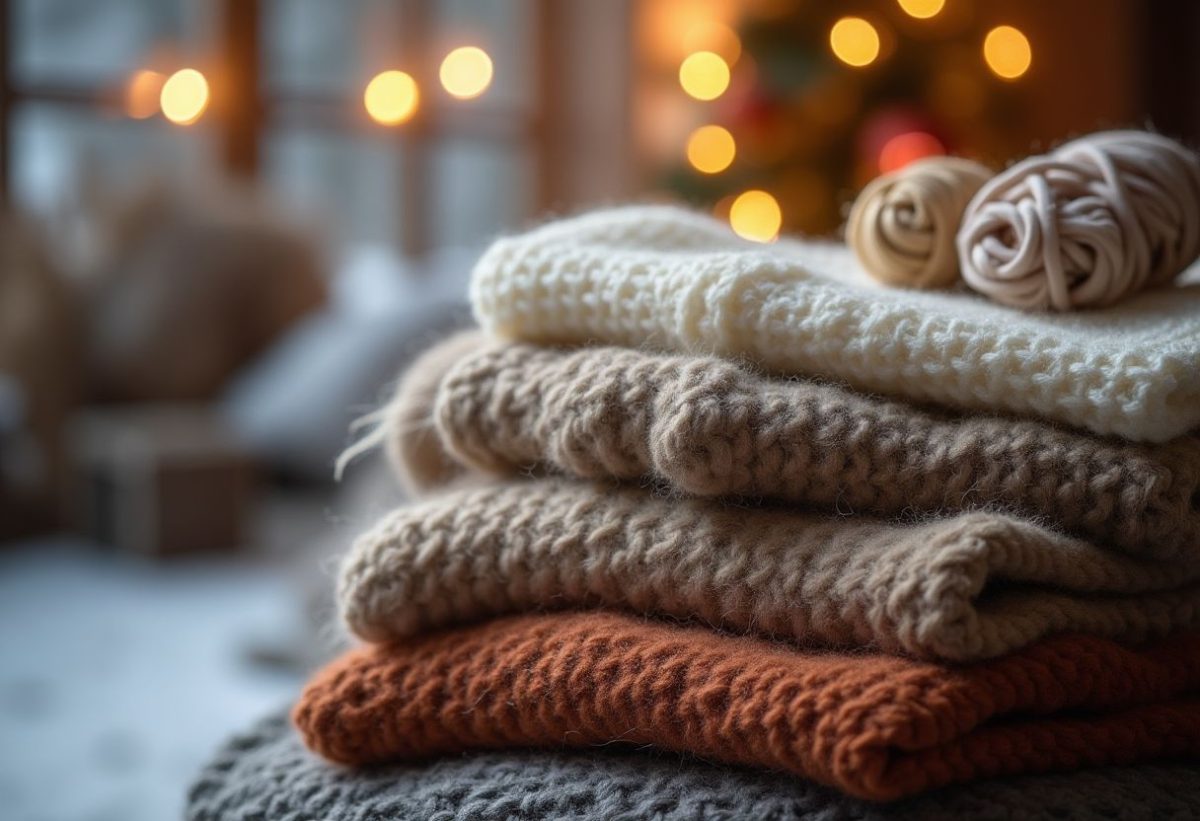
When winter knocks at our doors, the urge to snuggle into warm clothing is almost irresistible. However, choosing the right material can turn out to be a real headache. Some fibers, despite their appealing appearance, can compromise your comfort and well-being during the coldest months. Between the search for warmth, comfort, and elegance, it’s easy to make a misstep. While some textiles are favored for their ability to insulate and retain body heat, others should be avoided to prevent thermal discomfort and sometimes even skin irritations. So, how can you navigate this maze of materials? Here’s an overview of textiles to absolutely avoid for your winter clothing, and what to keep in mind to get through the cold season warm, dry, and stylish.
Synthetic materials: false friends of winter
Synthetic materials, often appreciated for their affordable cost and ease of care, may seem like an interesting option. However, they hide traps.
- Polyester: while durable and easy to wash, polyester has low breathability. It retains moisture, causing an unpleasant feeling of dampness and cold. This is not ideal when you’re looking for the comfort of a men’s down jacket.
- Nylon: widely used for its lightweight and water-resistant properties, nylon can cause overheating of the body when used as inner layers, due to its low ability to allow the skin to breathe.
- Acrylic: this cheap substitute for wool tends to pill and does not offer the same level of warmth as its natural counterparts, while being less durable.
Cotton: a chilly choice
Known for its softness and comfort, cotton should be avoided when the cold sets in. Why?
The cotton fiber absorbs moisture but does not effectively wick it away. Thus, if you sweat, the damp fabric clings to your skin and cools you down quickly once you stop any physical activity. For this reason, cotton is not the best ally on freezing days or during outdoor activities.
Natural fibers: sometimes misleading
One might think that all natural materials are suitable for winter, but some of them might surprise you.
- Linen: although linen is breathable and pleasant, it is far too light for winter temperatures. Its tendency to wrinkle easily also makes it a less practical choice.
- Silk satin: known for its elegance and softness, silk satin does not insulate and does not keep you warm. It is a fabric to favor for summer evenings rather than for harsh winter days.
Warmer alternatives
In light of these materials to avoid, what are the alternatives that guarantee warmth and comfort?
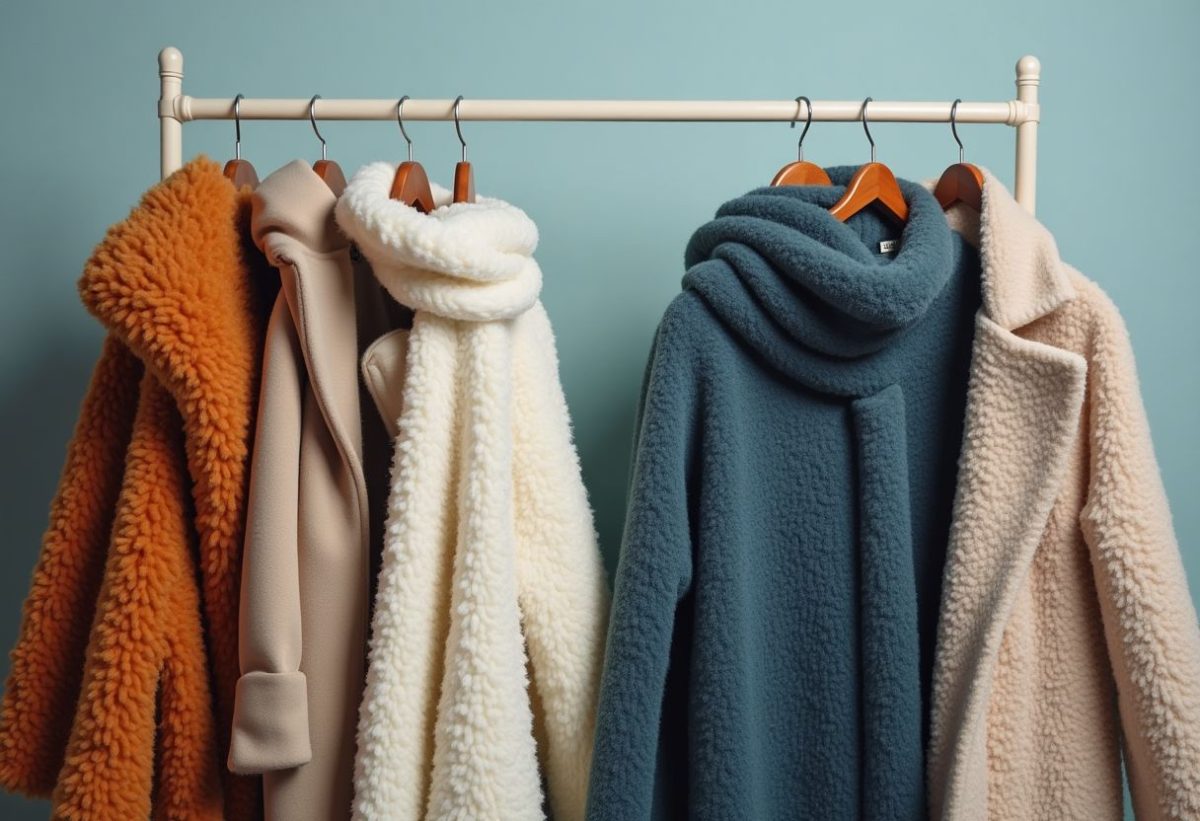
Favor materials like wool, famous for its exceptional insulating ability, or down, lightweight and warm, perfect for jackets. Cashmere, although costly, offers unmatched comfort and incomparable warmth. Finally, fleece remains an excellent option for casual wear due to its softness and ability to retain heat.
Choosing the right materials for your winter clothing is essential to ensure your comfort and well-being during the coldest months. Synthetic materials and certain natural fibers, although appealing at first glance, can harm your body heat and comfort. Opt for materials that combine breathability, insulation, and comfort to face winter with elegance and serenity. Whether choosing a jacket or a men’s down jacket, opting for the appropriate textiles will keep you warm while staying trendy.