Abrasives, millennia-old tools
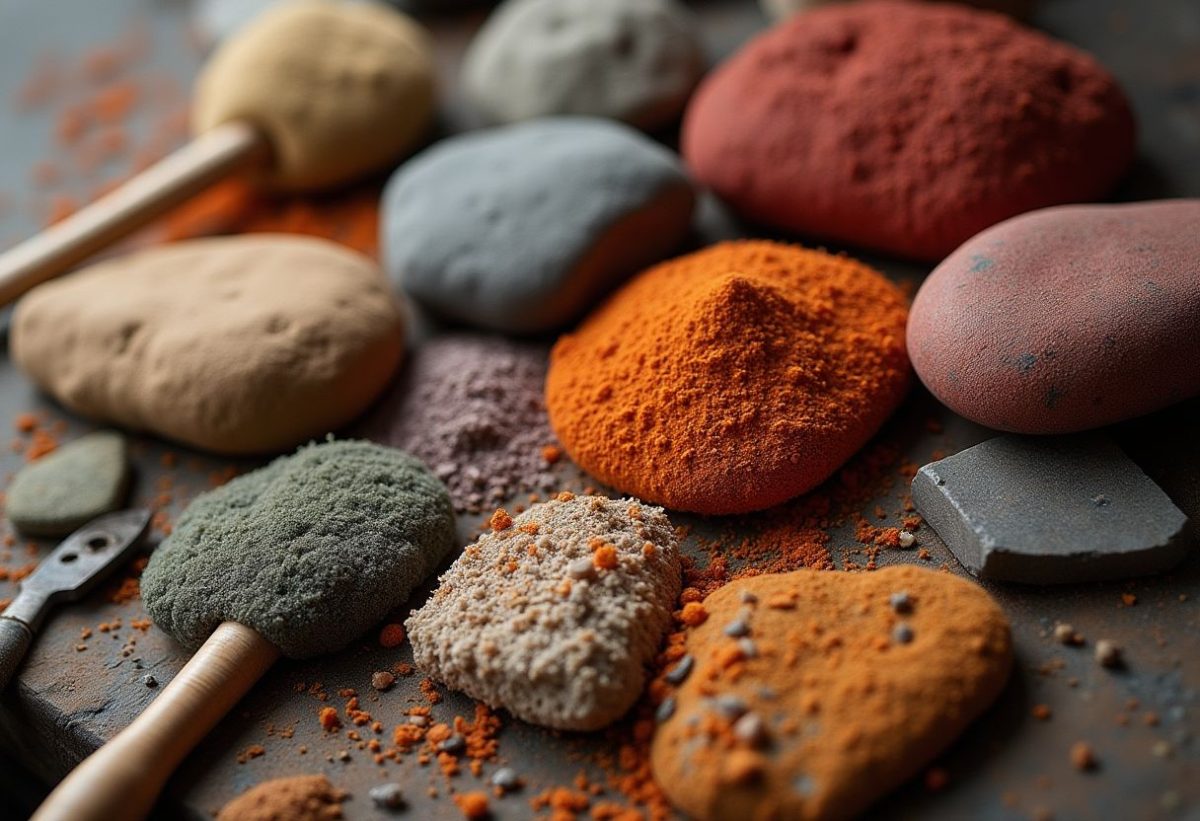
Abrasives have a rich history that dates back millennia. Their earliest uses marked the beginning of a revolution in manufacturing and construction techniques. These primitive tools have evolved over time to give rise to the modern materials we know today.
- Prehistory: The first traces of abrasive use date back to the time when humans used stones to shape tools and weapons. Flint and sandstone were the materials of choice for shaping and polishing.
- Middle Ages: During this period, craftsmen began experimenting with more advanced materials like sand or stone powder, which improved the quality of the worked surfaces.
- Industrial Revolution: With the rise of industry, artificial abrasives like silicon carbide emerged, offering increased efficiency and durability. Production techniques refined, paving the way for new large-scale industrial applications.
The different types of abrasives
The diversity of abrasives available on the market reflects their adaptability and their indispensable role in various sectors. Each type of abrasive has its own characteristics that make it unique and ideal for specific applications.
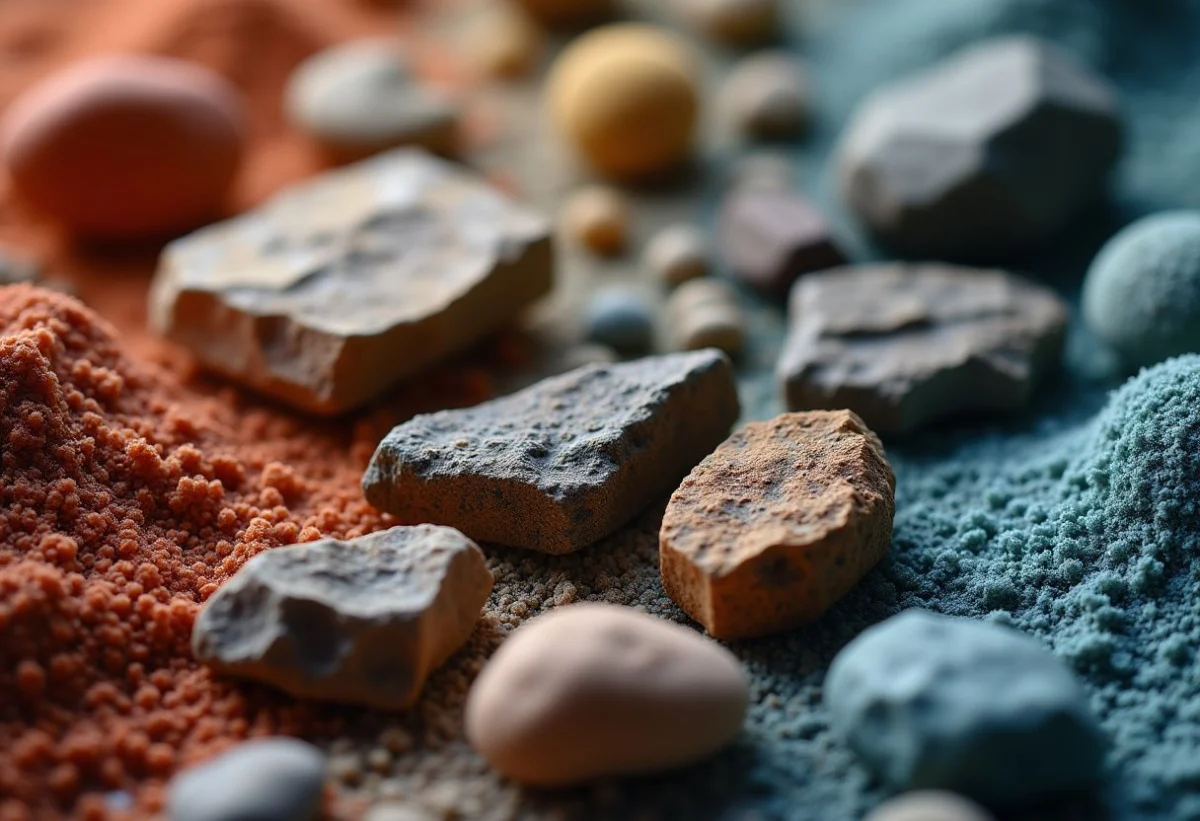
Some abrasives are natural, made from minerals such as quartz or pumice stone. Others are synthetic, developed to meet particular industrial needs. Among them, the artificial abrasive such as industrial diamond, known for its exceptional hardness, is widely used to cut and polish the most resistant materials. Meanwhile, corundum, another artificial abrasive, is prized for its versatility and ability to work on a variety of surfaces.
Applications and uses of abrasives
Abrasives are ubiquitous in our daily lives, often without us realizing it. Their use extends across various fields, each taking advantage of their unique properties for optimal results.
In industry, they are essential for polishing metals, ensuring perfect finishes for high-precision products. In woodworking, abrasives help achieve smooth surfaces ready to be varnished or painted. In the medical field, they are used for procedures such as laser surgery, where their precision is indispensable. Finally, in craftsmanship and decoration, abrasives help create unique textures and patterns on various materials, adding an artistic dimension to everyday objects.
Modern innovations in the field of abrasives
In the era of technological innovation, abrasives are not left behind. Recent advancements have pushed the boundaries of what these materials can accomplish, opening new perspectives in many sectors.
- Nanotechnology: The introduction of nanotechnology has allowed for the development of abrasives with ultrafine particles, offering unprecedented precision in delicate applications.
- Ecology: Environmental concerns have led to the creation of eco-friendly abrasives, made from recycled or biodegradable materials, thus reducing the environmental impact of their production and use.
- Robotization: The integration of abrasives into automated systems has revolutionized production lines, increasing the speed and precision of industrial finishing processes.
Abrasives, true artisans of perfection, continue to evolve to meet the growing demands of modern technology. Their ability to adapt to various needs, through centuries of innovation, attests to their undeniable importance in industry and beyond.