
One in two domestic cats with diabetes is not diagnosed until severe complications arise. Insulin is not always the first or only therapeutic solution. Some felines, despite a quality diet, develop diabetes without any obvious risk factors.
Owners often notice subtle signs, such as increased thirst or unexplained weight loss, well before a diagnosis is made. Various care protocols and dietary choices now allow for treatment to be tailored to each animal to improve its lifespan and quality of life.
Diabetes in Cats: Understanding a Silent Disease
Diabetes in cats, also known as feline diabetes mellitus, infiltrates the animal’s life without warning. This metabolic disease is caused by a disorder in the production or use of insulin, the hormone responsible for regulating blood sugar. In cats, two main forms are distinguished: one due to a beta cell deficiency in the pancreas, and the other, more common, related to insulin resistance.
The causes of diabetes in cats are not limited to a single factor. Overweight and obesity often come to the forefront, but the disease does not spare some thin cats, especially when they suffer from associated conditions that disrupt glucose metabolism. Age, a sedentary lifestyle, or certain treatments such as corticosteroids and progestins can also promote the onset of the disorder.
What makes feline diabetes so difficult to detect is its slow and subtle progression. The cat adapts, changes its behavior, sometimes without us noticing. This is why monitoring glucose levels and understanding the mechanisms specific to diabetes mellitus are crucial to prevent the most serious consequences.
To learn more about diabetic cats with Animaloo, consult the dedicated resources and testimonials from owners, which are invaluable for understanding how to act daily in the face of this disease.
What Signs Should Alert an Owner? Symptoms and Diagnosis
Diabetes in cats does not announce itself with loud signals. It settles in, subtly altering the animal’s behavior, and gradually disrupts its balance. Several symptoms of diabetes in cats deserve careful observation, far from unjustified panic but without negligence.
Here are the manifestations that should draw attention:
- Increased thirst: the cat demands more water than usual, sometimes finishing its bowl within a few hours.
- Increased appetite: it eats more, but despite this, there is often a continuous and unexplained weight loss.
- Abundant urination: the litter box fills up faster, with frequent trips and unusual volumes.
Other clinical signs may add up: dull coat, unusual fatigue, changes in gait. Many diabetic cats show these symptoms only at an advanced stage, making long-term vigilance essential.
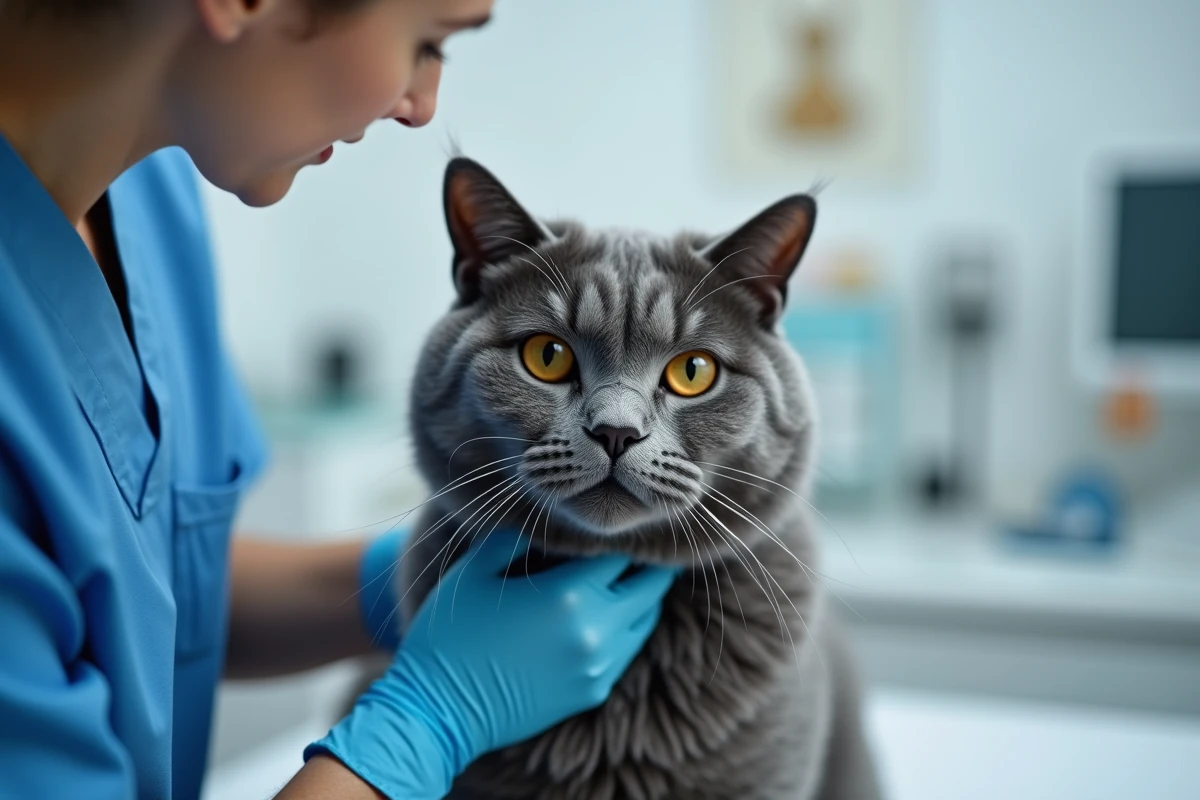
To establish a diagnosis of diabetes in cats, the veterinarian conducts an analysis of the blood glucose level. Using a glucose curve, they assess the cat’s condition and differentiate an isolated episode from persistent hyperglycemia. This protocol, performed in the clinic, is the only way to tailor the management to the animal’s reality. Rapid detection, through careful observation, significantly contributes to preserving the cat’s health in the long term.
Concrete Solutions to Support a Diabetic Cat Daily
Supporting a cat affected by diabetes requires adjusting its habits with rigor and attention. The starting point: establishing a precise treatment, without deviation. Most cats require insulin injections at regular intervals. While this may seem difficult at first, the veterinarian trains owners to ensure the safety and comfort of the animal. The stability of blood sugar relies on this discipline; every missed dose or approximation can jeopardize the cat’s balance.
Appropriate nutrition forms the second pillar of support. It involves choosing food designed for diabetic cats: low in sugars, high in protein, to avoid fluctuations in glucose levels. Splitting meals, limiting extras, and monitoring weight changes help keep the situation under control. Maintaining a stable weight is a direct lever on the lifespan of the diabetic cat.
Finally, moderate physical activity is integrated into this reinvented daily life. No overexertion, but games and adapted movements to enhance insulin sensitivity. Observing the cat becomes a reflex: any change in appetite, behavior, or litter box usage should prompt a consultation with the veterinarian and, if necessary, a review of the diabetes treatment. Remission is not out of reach; early and meticulous management offers the possibility, for some cats, to regain a life without insulin. But this prospect requires absolute vigilance and ongoing dialogue with the animal health professional.
In the face of feline diabetes, every day counts, every action shapes the trajectory of a cat that, despite the disease, can regain a full and serene existence.