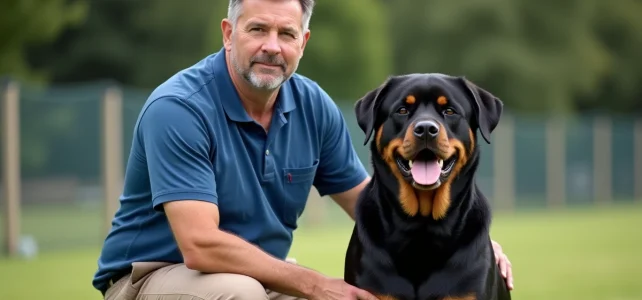
No global statistics definitively address the question of bite strength in dogs, but science has its tools for comparison. Morphology, body mass, and selection history all come into play, and each breed displays a unique signature.
Some breeds, often burdened with a reputation that does not do them justice, actually show high results in pressure tests. These values, derived from rigorous scientific protocols, provide valuable insights into the peculiarities of each dog and help target prevention and education more effectively.
How jaw strength is measured in dogs: understanding the scientific basics
To measure a dog’s jaw strength, scientists rely on standardized methods. Bite force is primarily expressed in PSI (pounds per square inch) or kg/cm²: these two units accurately denote the pressure applied. To put it into perspective, where a human reaches 120 to 160 PSI, a medium-sized dog can approach 120 kg/cm².
The maxillary structure, the temporomandibular joint, and, above all, three muscle groups—the masseters, temporals, and pterygoids—define a large part of the result. The breed, size, and muzzle configuration also affect the actual strength. Following that, the animal’s physical condition and oral health are two factors that should never be overlooked.
In practice, it involves having dogs bite objects equipped with sophisticated sensors. Results vary from one individual to another: age, energy, motivation, and sex influence the measurement. For those who want to dive into the precise figures for each breed and compare, the dog jaw pressure ranking details sometimes striking contrasts, between the power of a Kangal and the much less formidable jaw of a golden retriever. These scientific analyses contribute to a better understanding of behavioral diversity region by region, and the reality behind reputations.
Top dog breeds with the strongest jaws: numbers, rankings, and characteristics
The Kangal takes the top spot, with a record bite force estimated at 743 PSI. Developed through selective breeding over several generations, this Turkish shepherd has long been used to protect livestock from sometimes formidable predators. Its robustness reflects a history closely tied to humans, shared between raw power and guarding instinct.
Alongside it, other breeds display impressive bites. The Bandog reaches 730 PSI, closely followed by the Cane Corso at 700 PSI. The latter, a descendant of ancient mastiffs, is now valued for its deterrent and protective abilities. The Boerboel, protector of South African farms, boasts 660 PSI.
To better situate these strengths, here is a concise list of the main players in this ranking:
- Kangal: 743 PSI
- Bandog: 730 PSI
- Cane Corso: 700 PSI
- Boerboel: 660 PSI
- Tosa Inu, Dogue de Bordeaux: 556 PSI
- English Mastiff: 552 PSI
- Presa Canario: 540 PSI
- Argentine Dogue: 500 PSI
Further down, the hierarchy becomes more nuanced: Leonberger (399 PSI), Rottweiler (328 PSI), then the Pitbull (235 PSI), long caricatured on this criterion, far behind these mastodons. Next is the Labrador Retriever (150 PSI), proof, if needed, that jaw strength does not predict temperament or the actual danger of the dog. This ranking primarily illustrates the richness of the links between usage, selection, and morphology.
Living with a dog with a strong jaw: prevention, education, and responsibilities
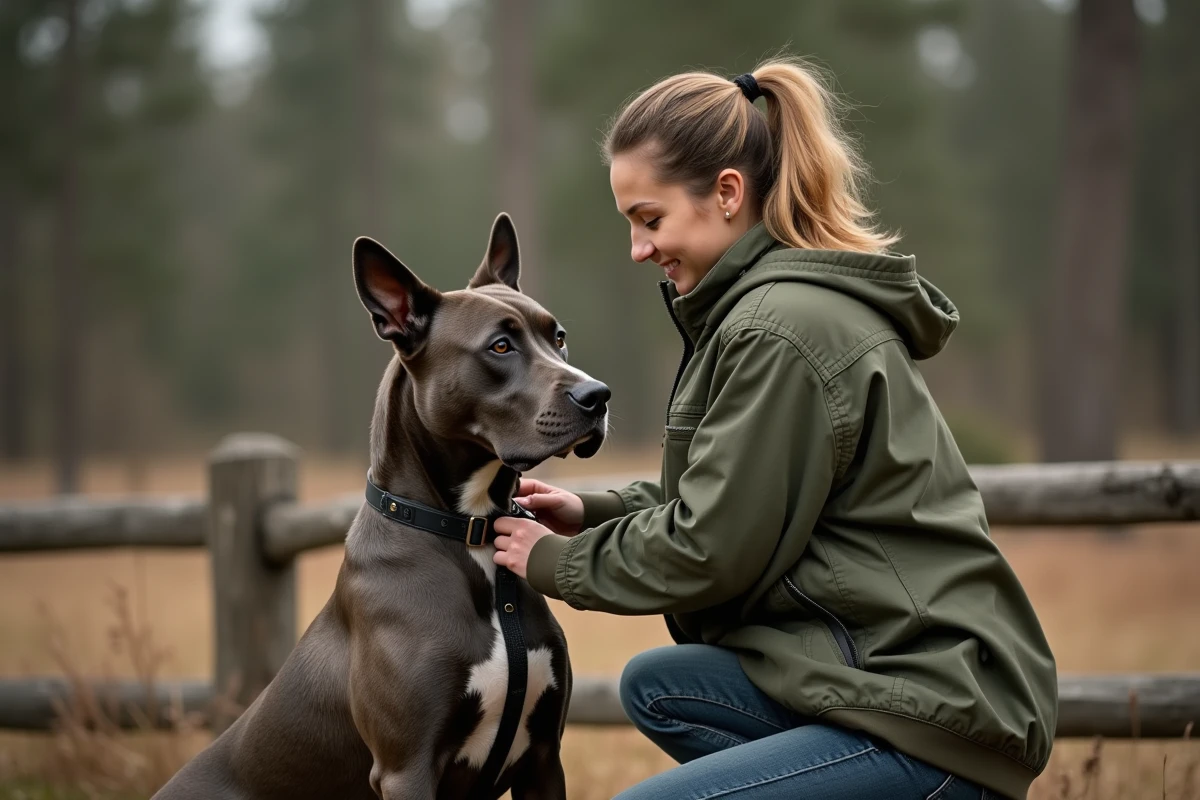
The strength of a jaw attracts fantasies, sometimes irrational fears. In reality, everything hinges on the grounds of prevention and behavior: a properly socialized dog, well accompanied, poses far fewer risks than a poorly supervised companion. It is not the strength that creates danger, but the relationship woven between the animal and its owner.
The latest analyses from ANSES are surprising: bite accidents primarily involve common breeds. In France, the German shepherd accounts for 10% of reports, with the Labrador Retriever and the Jack Russell Terrier closely following. The determining factor? Education, socialization, and the ability to integrate the dog healthily into its home and society.
To ensure everyone’s safety, several measures are essential:
- Implement positive and consistent education from a young age
- Diversify socialization experiences (meetings with different humans and peers, adaptation to varied contexts…)
- Monitor the environment and provide sturdy toys designed to withstand jaw strength
A dog that is accompanied daily, closely observed by an involved owner, significantly reduces the risk of overflow, regardless of its muscle power. Oral health and physical condition also play a role: a suffering animal may react unexpectedly.
Strength is a quantified reality. But the true measure lies elsewhere: in trust, vigilance, and mutual respect. Between an owner and their dog, the balance between power and gentleness is played out every day, far from rankings and prejudices, in this silent dialogue that embodies the beauty of their bond.